Virtual Tour
Take a virtual tour of the museum's exhibits and spaces.
Click on the areas below to learn more about the museum's collections of artifacts.
Virtual Tour
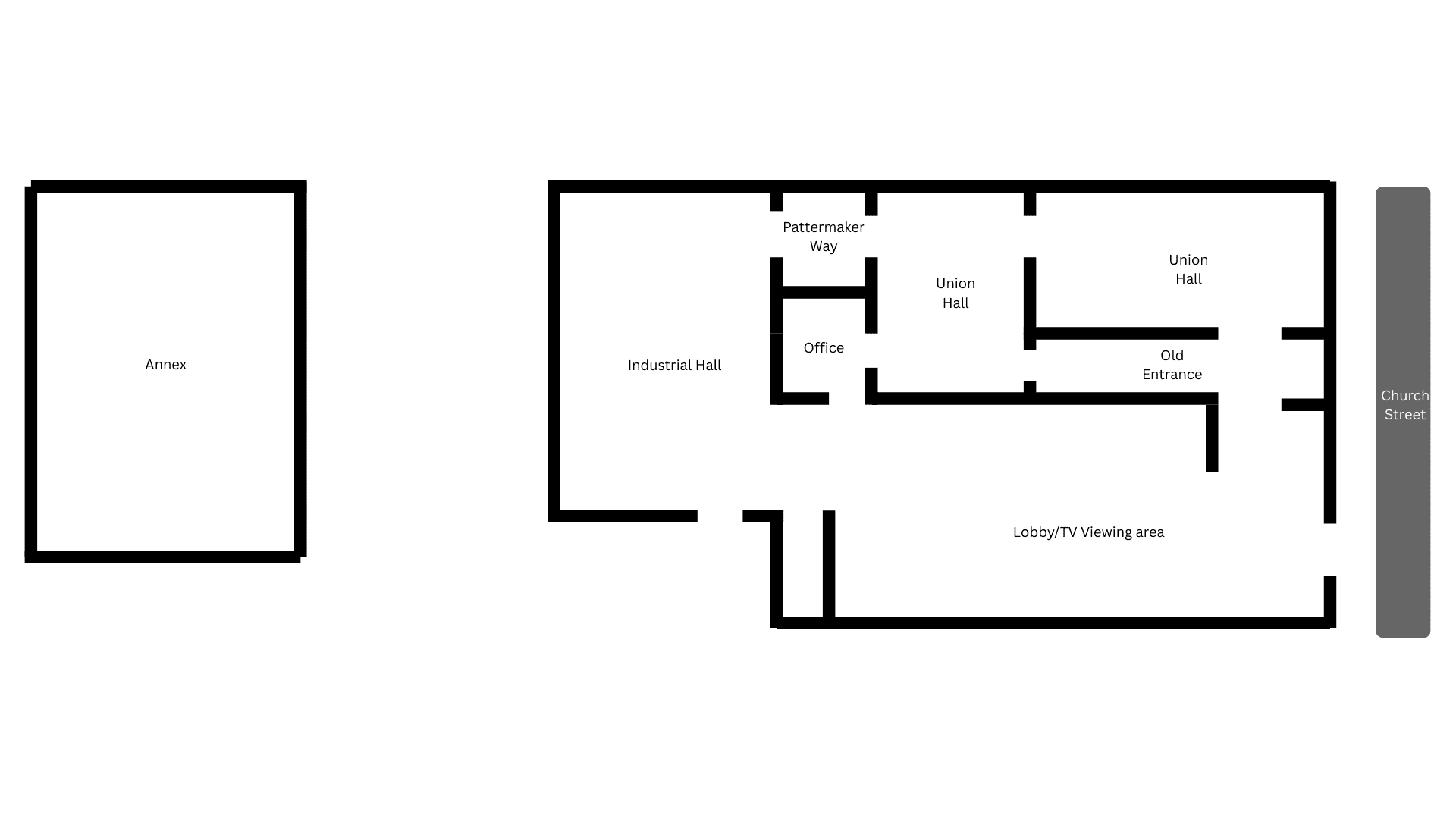
The Annex
Our Annex houses more of our collection. Have a glimpse.
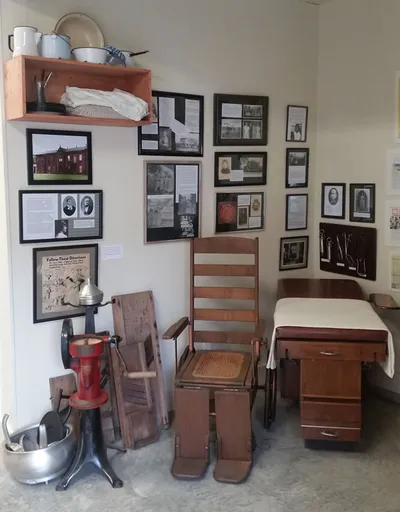
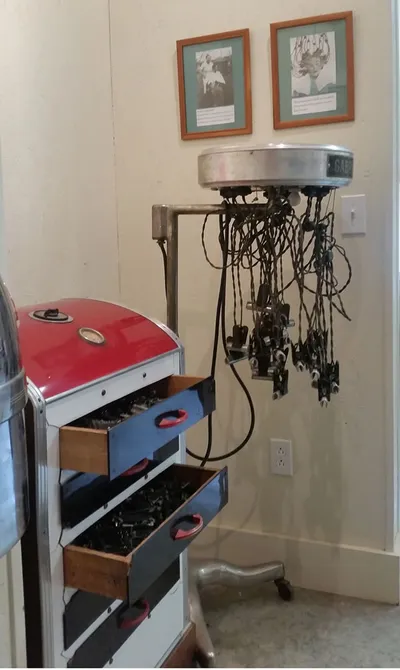
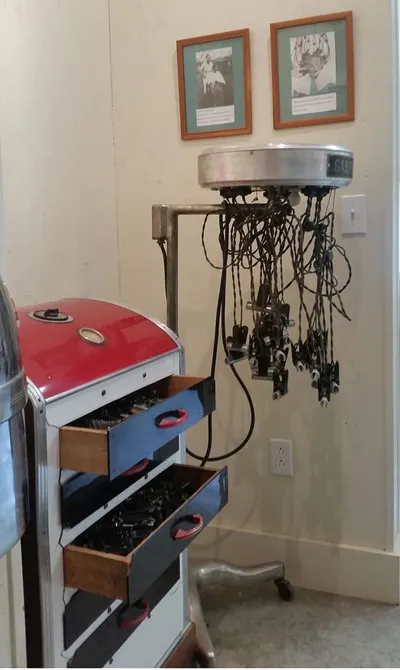
Women's Work After the Civil War
This exhibit focuses on women's role in work: Public Service, Teaching, Nursing, MIlitary, Dressmaking, and Beauty Culture.
Print Shop
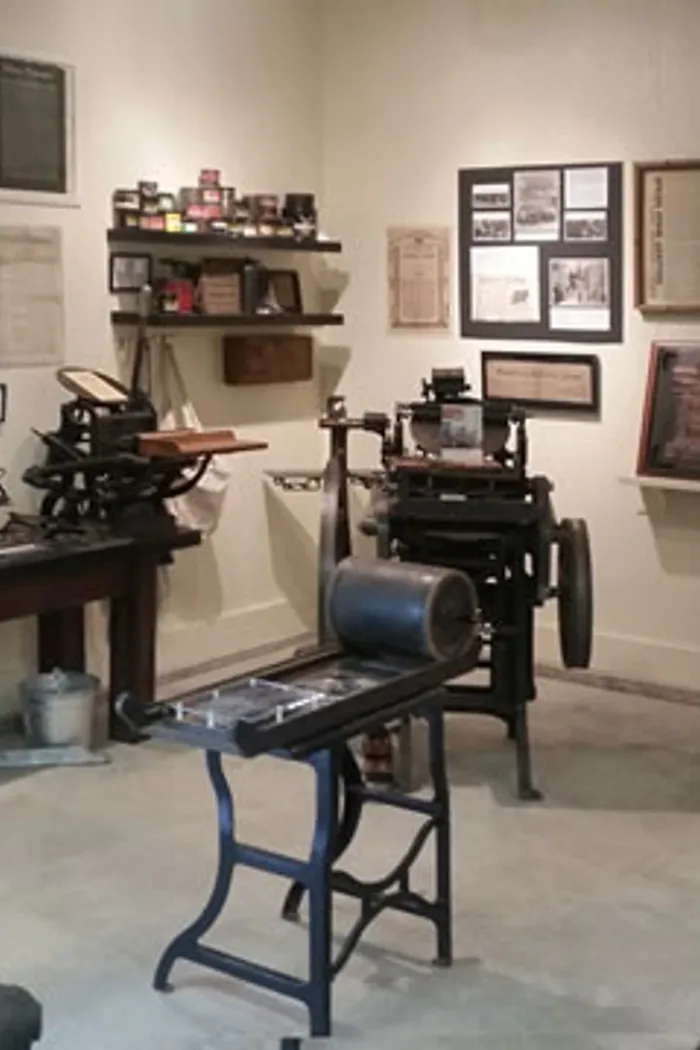
Belleville was the leading publisher in Southern Illinois for German and English language newspapers. This exhibit centers around setting type by hand and printing on a flatbed press. The exhibit includes numerous original newspapers from the 1850s, and the very last German language newspaper dated 6/26/1926.
Belleville Public Square
Photos of the four Belleville Public Square quadrants from 1914 and 2014. Also included is a City of Belleville map from 1935. Exhibit funded by the Belleville News-Democrat.
Industrial Hall
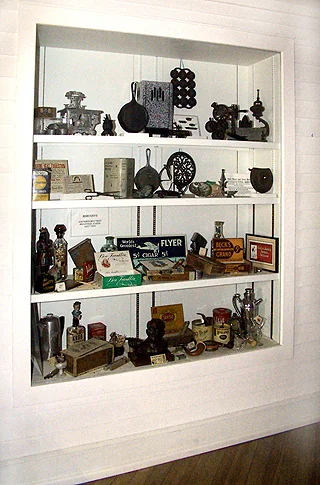
An original loading door has been converted to a show case in the "Industrial Hall" -- currently filled with small foundry castings and cigar memorabilia. Belleville produced more cigars than any other community in U.S. Revenue District #5 (Southern Illinois).
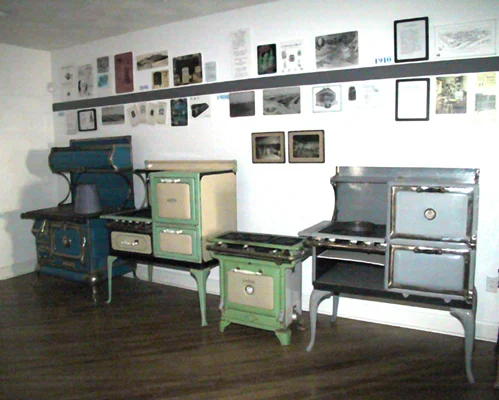
Stove manufacturing brought more wealth to Belleville and more product to the world than any other industry -- 26 Belleville-made stoves and ranges are on permanent display.
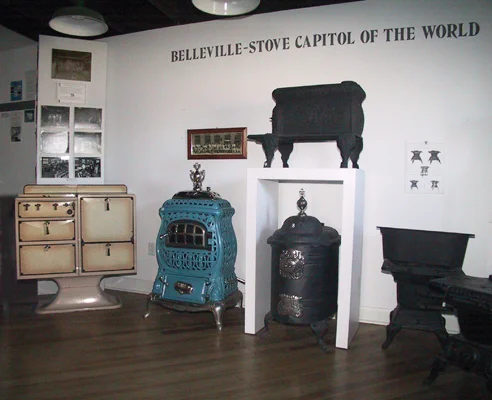
Patternmaker Way
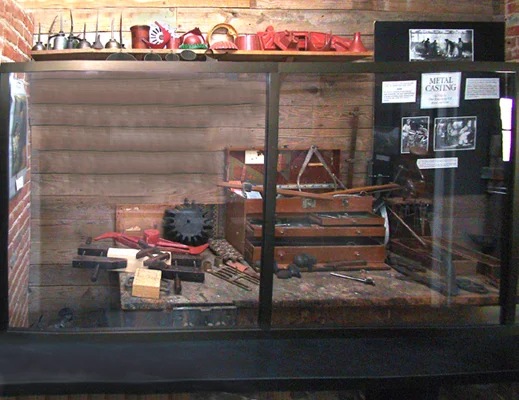
Patternmakers ply their skilled craft to make castings possible.
Office Space
Enjoy various parts of collection not normally on public display.
Belleville Commercial College
by Judy Belleville
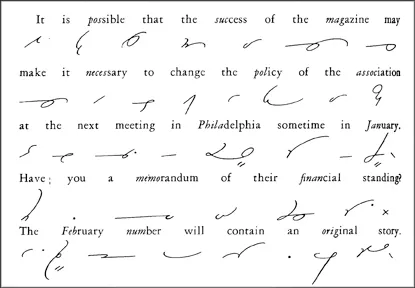
In 1893, high school was not a requirement. But to fill a need, Professor Joseph Foeller of St. Louis, MO opened the Belleville Commercial College on E. Main St. in Belleville. Although named a college, one could attend immediately out of grade school if desired. The college offered a business curriculum including bookkeeping, accounting, practical English, business arithmetic, typing and shorthand. Below is a sample of the "speed writing", or Gregg Shorthand, a student could take and many did. Dictating devices were yet to be invented. The school offered courses year round and were from 2 weeks to a semester in length. The school also offered an employment service that included Belleville, the Belleville area and St. Louis, MO. The school, located on the second and third floor of the Belleville Savings Bank at 18 East Main St., closed in 1951.
Angela Briedenbach and Roy Foeller, descendants of the founder, contributed equipment, photos and archives to the permanent collection of the Labor & Industry Museum.
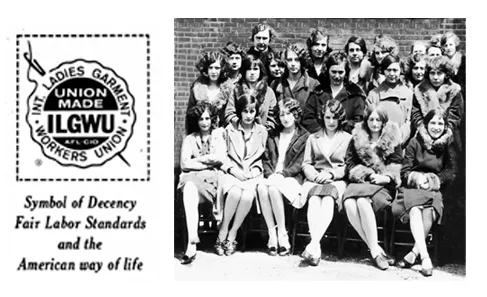
In 1912, Ely-Walker Dry Goods Co. of St. Louis, MO, announced they were opening a Belleville branch in the Rentchler Agricultural Works Building at East B and Delmar. The wage was $4.50 per week. In 1917, employees clashed between union and non-union representation. On, March 30, 1918, employees went on strike for union recognition.The photo shows a small portion of the 160 employees of Ely-Walker in 1928. Donated by Pat & Jack Lindsey and Teresa Schaeffer.
The drawing is from "Signature of 450,000", a publication of the ILGWU, 1965. Donated by Betty Julian.
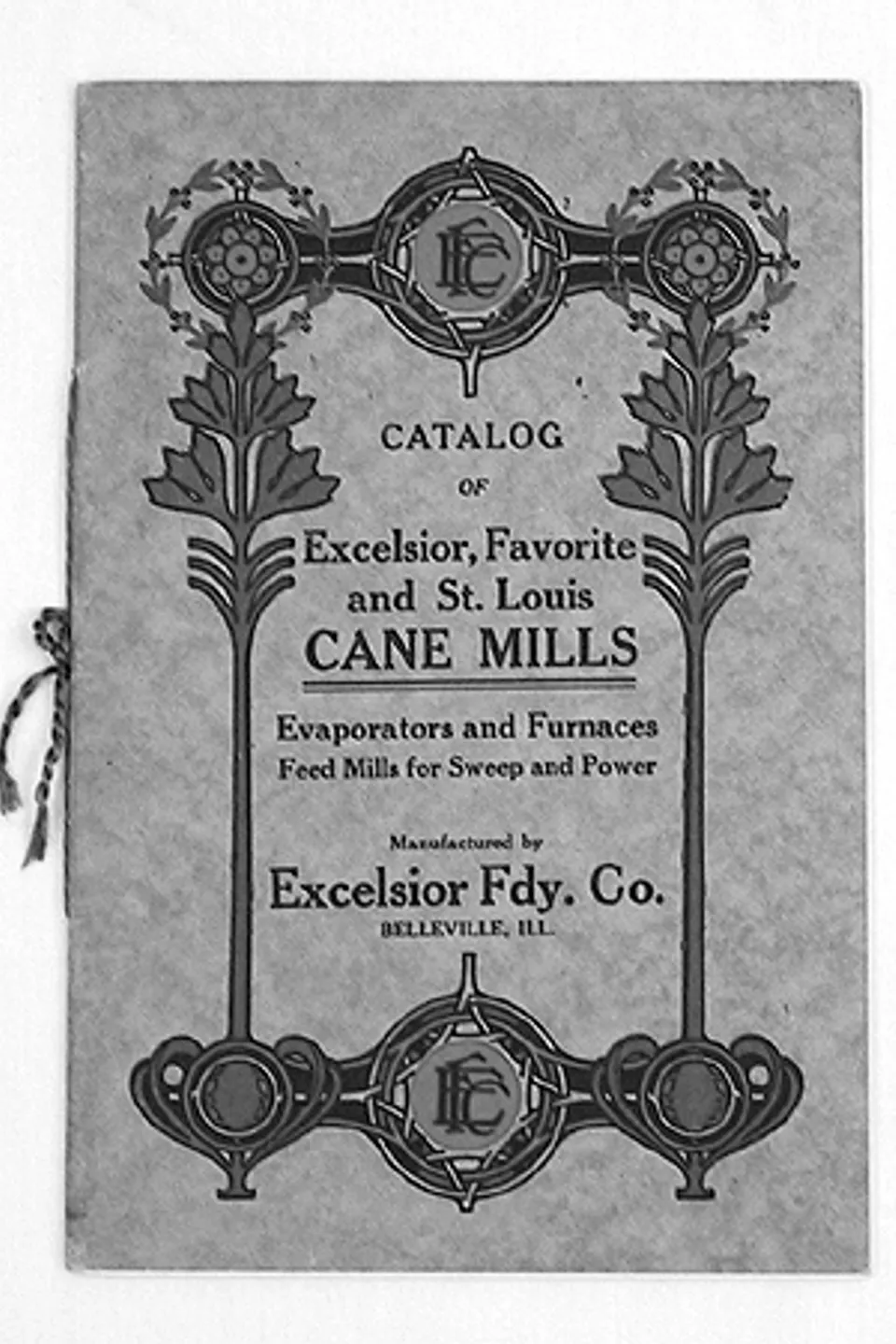
Excelsior Foundry is one of numerous companies established by the Rogers family since emigrating from Ireland to Belleville in 1876. The 1877 street directory lists John and Robert Rogers as Iron & Brass Founders. Later, Robert Rogers moved into stove making by founding Rogers Foundry and Stove Works. Excelsior Foundry was founded in 1891 by Edward P. Rogers and George B. McClellan Rogers.
The ca. 1930 product catalog shows a complete line of sugar cane milling equipment, evaporators and furnaces. Donated by Frank P. Rogers.
Today, the foundry specializes in gray iron castings for industry that are shipped worldwide.
Lobby & TV Viewing Area
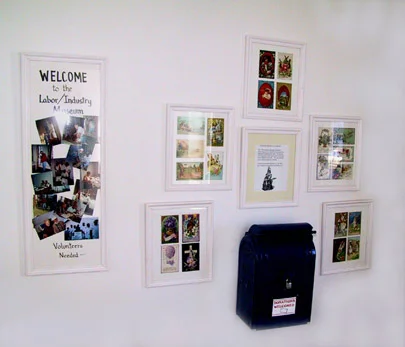
There are familiar names and well known information to be found in the Labor & Industry Museum exhibits. But it's the little-known information that is most surprising...Belleville machinists and patternmakers produced embossing presses capable of printing these beautiful advertising cards! The presses were shipped worldwide.
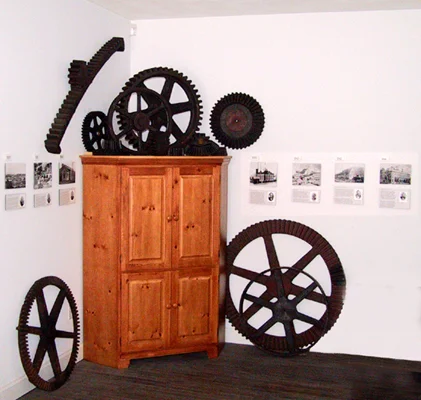
In our TV viewing area, a 12 minute orientation video is available for viewing. Find out a bit about the struggles of the working class and the struggles of industry. The museum's area of interest spans the period dating from the end of the Civil War to the Great Depression.
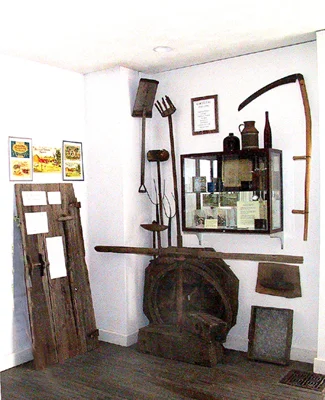
Pre-Civil War foundries cast all types of agricultural equipment. When the Industrial Revolution picked up speed after the Civil War, Belleville was ready!
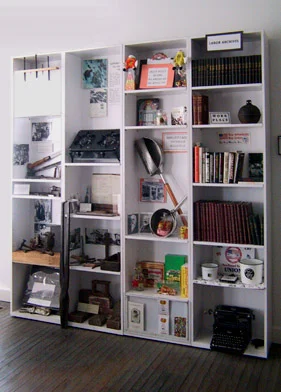
Two German-born candy makers founded Goelitz Bros. Confectionery in 1868...now known as Jelly Belly -- 40 yummy flavors! The book display at the right calls attention to the Learning Center which occupies the second floor of the museum. Research facilities include a software program that allows the visitor to view the museum's collection of photos, archives and objects at their leisure.
Union Hall
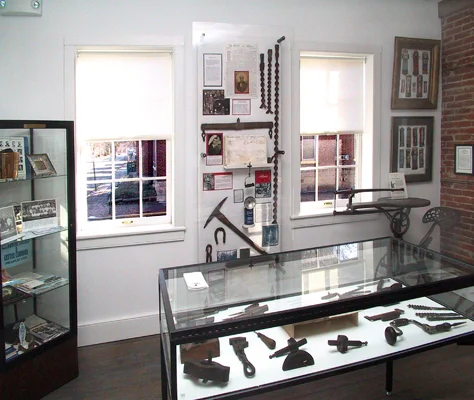
The "Union Hall" is a changing exhibit gallery chronicling everything from the struggle of early coal miners to present day postal workers. Photos and info on early and prominent labor leaders are currently displayed along with "Lineman Equipment" young people love to try on!
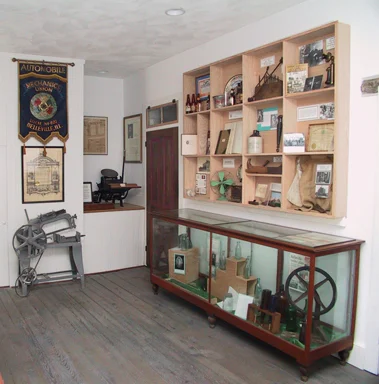
An extension of the Union Hall provides space for changing exhibits on glass-making, brewing, printing and more recent memorabilia on Auto Workers and Mechanics.
Old Entrance
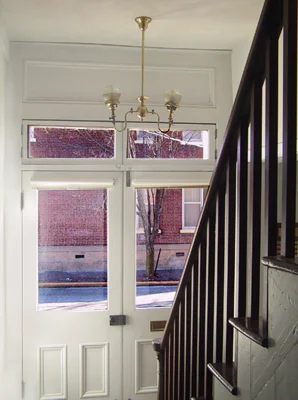
The original entry to 123 North Church Street, including the gas light fixture and the 1837 walnut staircase, has been completely refurbished.
Church Street and B street sidewalks
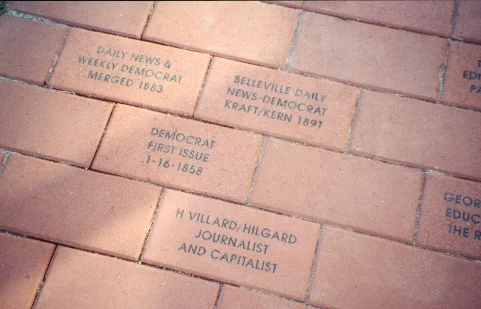
The Church Street and East B street sidewalks command attention as you approach the museum. Reading the two blocks of brick sidewalks is an education in itself!